
Tile Placement Puzzle
Review
Tile Placement Puzzle offers a relaxing yet mentally stimulating experience. The intuitive drag, drop, and rotate controls make it easy to start, while the gradually increasing difficulty keeps it interesting. The lack of timers or penalties allows for thoughtful play. Clean visuals and soothing sounds enhance the calm atmosphere. Ideal for all ages.
Full story
Game Introduction
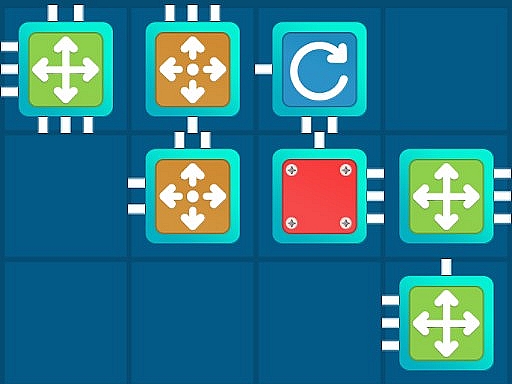
Tile Placement Puzzle is a casual puzzle game that focuses on spatial reasoning. In each level, players see a board and a set of tiles. The goal is to arrange the tiles so they fit perfectly into the puzzle frame. The game starts with simple layouts and gradually increases in complexity. This keeps the mind engaged without causing stress. The clean visuals and gentle pace make it suitable for players of all ages. Whether you have a few minutes or an hour, this game offers a relaxing mental break. It is known for its calming yet stimulating gameplay, providing a peaceful escape from daily routines.
How to Play
Players typically tap or click a tile to select it, then drag it to the desired position on the board. If a tile needs to be rotated, a rotate button or gesture is used to adjust its orientation. The objective is to place all tiles correctly to complete the puzzle. There are no time limits or penalties, so you can think through each move at your own pace. Each level offers a unique layout, encouraging careful planning and problem-solving. The intuitive controls make the game accessible to beginners while still providing depth for experienced players.
Game Features
The game features relaxing gameplay with no timers or pressure, allowing you to play at your own speed. It includes multiple unique levels with increasing difficulty, providing a gradual challenge. The controls are intuitive, supporting drag, drop, and rotate actions. The family-friendly design is suitable for all ages, and the soothing visuals and sound effects create a calm atmosphere. As a hypercasual puzzle game, it is designed to be easy to pick up and play in short sessions, making it ideal for quick mental breaks.
Tips for Success
Start by examining the overall shape of the puzzle frame and the tiles available. Try to place larger or more distinctive tiles first, as they often define the layout. Use the rotate function frequently to test different orientations. If you get stuck, take a step back and look at the empty spaces—sometimes a fresh perspective helps. Practice regularly to improve your spatial reasoning and pattern recognition. Since there are no penalties for mistakes, feel free to experiment with different placements until you find the correct fit.









Reader Comments
Sign in to comment
You must be logged in before posting a review or rating.
No account? Create one
No comments yet. Be the first to comment!