
Tile Merge Logic Challenge
Review
Tile Merge Logic Challenge takes the familiar number-merging concept and wraps it in a soothing wooden aesthetic. The simple swipe controls make it easy to pick up, but the strategic depth keeps you coming back. Random tile placements ensure variety, and the lack of a timer reduces stress. It is an excellent choice for anyone looking for a mental workout without flashy distractions.
Full story
Core Puzzle Loop
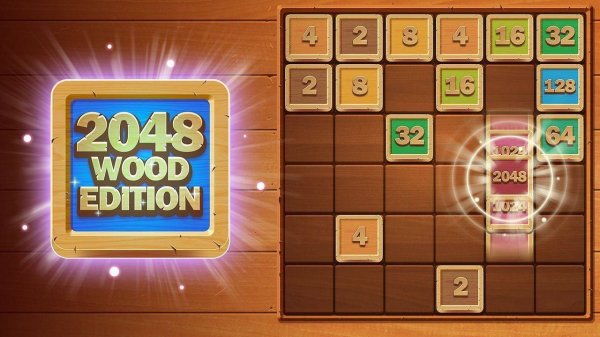
Players control a 4x4 grid filled with numbered tiles. By swiping or using arrow keys, all tiles shift in one direction. When two tiles with the same number collide, they combine into one tile showing the sum. A new tile, usually a 2 or 4, appears after each move. The goal is to keep merging until you create a tile with a high value. The board fills up over time, and the game ends when no empty spaces remain and no more merges are possible.
Visual Atmosphere
The interface uses a wooden texture theme, with muted browns and soft edges that reduce visual noise. This design choice helps players concentrate on the numbers without distraction. The calm color palette makes longer sessions feel less tiring on the eyes. Many puzzle games use bright, flashy graphics, but this one takes a quieter approach that suits relaxed play.
Strategic Depth
Although the rules are simple, reaching high scores requires careful planning. Players must decide which direction to slide tiles to keep the largest values grouped together. Random tile placement means no two games play out the same way. Some versions may include an undo option, allowing players to reverse a move and learn from mistakes. The challenge lies in maintaining order on the board while working toward larger numbers.
Accessibility and Controls
Controls are straightforward: use arrow keys on a keyboard or swipe gestures on a touchscreen. The game works well for quick sessions during a break or longer play periods. There is no timer, so players can think through each move at their own pace. This makes it suitable for all ages and skill levels, from beginners learning basic logic to experienced players refining their strategy.
Progression and Replay Value
Each attempt starts fresh, with tiles appearing in different positions. This randomness ensures that players must adapt their strategy each time. Reaching higher numbers feels rewarding because it requires consistent good decisions. The game does not have levels or unlockable content, so the satisfaction comes from personal improvement and beating previous high scores.



Reader Comments
Sign in to comment
You must be logged in before posting a review or rating.
No account? Create one
No comments yet. Be the first to comment!