
Mini Speedway Dash
Review
Mini Speedway Dash delivers a clean, focused racing experience that suits players of all ages. The controls are responsive and easy to learn, while the track design encourages careful timing of jumps and boost collection. Opponents provide a fair challenge without being frustrating. The game's short race length makes it ideal for quick breaks. Its cheerful presentation and lack of complex systems ensure it remains accessible. For a family-friendly arcade racer, this title hits the right notes.
Full story
Track Layout and Visual Style
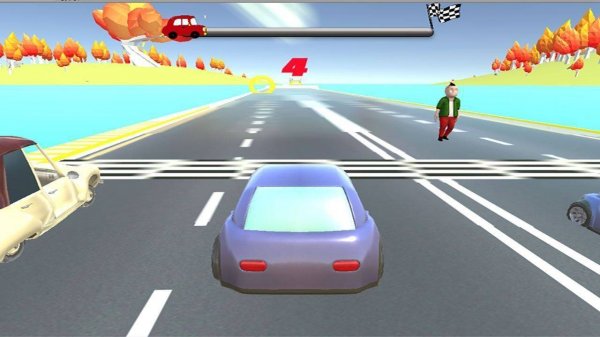
Mini Speedway Dash places players on colorful circuits designed with a playful miniature theme. Each course features a mix of straight stretches, sharp turns, and elevated ramps. The visual presentation uses bright, clear colors that make obstacles and power-ups easy to spot. Tracks are arranged to encourage quick decision-making, as players must adjust their position and speed to handle upcoming features. The overall look is clean and inviting, suitable for a broad audience.
Core Driving Mechanics
Controlling the vehicle relies on simple directional inputs. Players steer left or right to stay on the optimal path. A dedicated jump button allows the car to clear ramps and avoid barriers. Timing is essential: leaping too early or too late can slow progress, while well-timed jumps maintain momentum. The game rewards smooth driving and careful attention to the track ahead. There is no complex gear system or advanced tuning, keeping the focus on reflexes and precision.
Speed Boosts and Obstacles
Scattered along each circuit are glowing items that temporarily increase velocity. Collecting these boosts gives a noticeable advantage, especially on long straight sections. However, players must balance the desire for speed with the need to navigate upcoming turns and jumps. Obstacles appear in various forms, such as barriers that block parts of the road. Success depends on spotting these hazards early and planning a safe route around them. The combination of boosts and barriers adds depth without overwhelming new players.
Race Structure and Opponents
Each race pits the player against several computer-controlled vehicles. Opponents follow predictable patterns, but their behavior changes based on track layout. Some rivals are aggressive, taking tight lines, while others are more cautious. The player must find a consistent rhythm to overtake and maintain position. Races are short, typically lasting a few minutes, which makes the game suitable for quick sessions. Finishing first unlocks access to new tracks or challenges, providing a sense of progression.
Accessibility and Family Appeal
The game is designed to be picked up quickly by players of any age. Controls are limited to a few keys or on-screen buttons, reducing confusion. There are no complicated menus or lengthy tutorials. The cheerful art style and lack of violent content make it appropriate for younger audiences. At the same time, the need for precise timing and route planning offers enough challenge to engage older players. This balance between simplicity and skill creates a welcoming experience for families.








Reader Comments
Sign in to comment
You must be logged in before posting a review or rating.
No account? Create one
No comments yet. Be the first to comment!