

Underground Passage Puzzle Runner
Review
Underground Passage Puzzle Runner stands out for its clever use of shifting environments and subtle clues. The lack of combat or time pressure makes it a relaxing choice for players who enjoy using their memory and attention to detail. The clean visuals run smoothly on mobile devices, and the family-friendly design means anyone can pick it up. While the experience is relatively short, the replay value from randomized paths adds longevity. A solid pick for casual puzzle enthusiasts.
Full story
Core Concept and Setting
Underground Passage Puzzle Runner places players inside a sprawling subterranean network that defies easy navigation. The environment is composed of corridors and chambers that frequently reconfigure, ensuring no two attempts feel exactly the same. Unlike traditional mazes where walls remain fixed, this underground world introduces an element of unpredictability that keeps players engaged. The setting draws inspiration from transit systems but twists the familiar into something puzzling. Dim lighting and subtle visual cues guide attentive players while those who rush may find themselves going in circles.
Navigation and Interaction
Movement uses standard first-person controls, allowing players to look around and walk through the environment at their own pace. The core interaction involves deciding when to proceed and when to pause. Certain areas may feel off, prompting players to reconsider their route. Small recesses along the walls offer temporary spots to stop and observe. Clues appear as faint markings or changes in the environment that hint at the correct direction. Success depends on patience and careful observation rather than quick reflexes.
Visual and Atmospheric Design
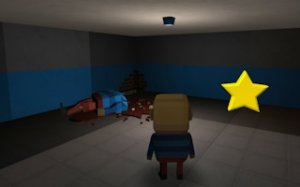
The visual style uses a clean, low-poly aesthetic that keeps the experience accessible on mobile and tablet devices. Lighting plays a key role, with shadows and highlights subtly directing attention. Figures appear occasionally, some blending into the background while others stand out. The atmosphere remains calm but slightly mysterious, encouraging focus without creating tension. The design avoids any frightening or intense elements, making it suitable for a wide age range. Color palettes shift between areas to help players mentally map their progress.
Strategic Approaches for Progress
Effective navigation requires building a mental map of the tunnels. Noticing small details, such as unique wall textures or unusual floor patterns, can indicate whether a path is correct. Players who move too quickly may miss these hints. Taking brief pauses at intersections to recall recent turns helps avoid loops. The maze may shift after certain actions, so adapting to new layouts is part of the challenge. Keeping a simple note of landmarks can be useful for longer sessions.
Family-Friendly Design Philosophy
The game was created with a broad audience in mind. There is no combat, no time pressure, and no content that would concern parents. The puzzles rely on memory and observation, skills that benefit players of all ages. The interface is straightforward, with minimal text and clear visual feedback. This design makes it easy for younger players to pick up while still offering enough depth for adults. The experience focuses on the satisfaction of solving a spatial puzzle rather than on competition or speed.







Reader Comments
Sign in to comment
You must be logged in before posting a review or rating.
No account? Create one
No comments yet. Be the first to comment!