
Fortress Keeper: Tactical Defense
Review
Fortress Keeper stands out in the tower defense genre by emphasizing careful resource management over frantic clicking. The unit roles are clearly defined, and the upgrade system offers meaningful choices without overwhelming the player. Waves escalate at a fair pace, giving you time to adapt. The colorful art style keeps the tone light, making it suitable for all ages. While it may not break new ground, it executes its core mechanics with polish and clarity. A solid choice for strategy fans looking for a relaxed yet engaging experience.
Full story
Core Strategy Mechanics
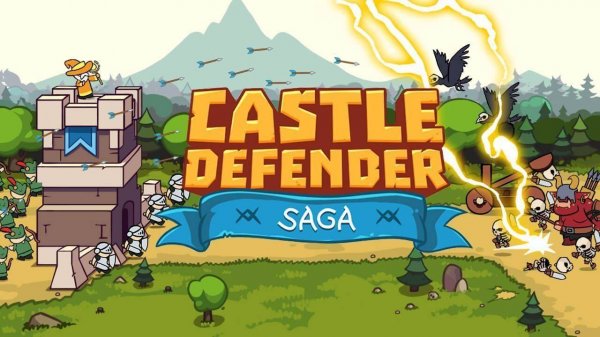
Fortress Keeper centers on preparing for each wave of attackers by managing a limited pool of resources. Before enemies arrive, you decide how to spend these resources on training new defenders or improving existing ones. This balancing act between expansion and reinforcement forms the heart of the gameplay. Each choice carries weight, as resources spent on one area cannot be used elsewhere until the next wave. Over time, players develop a sense of when to invest heavily and when to conserve.
Defender Roles and Placement
The game offers several types of units, each with a distinct role. Ranged units positioned on elevated walls can target enemies from a distance, while sturdy melee fighters block pathways and absorb pressure. Faster units can be held in reserve to respond to breakthroughs. Learning where and when to place each type is essential. Some units work best when grouped, while others benefit from being spread out to cover multiple approach routes.
Special Abilities and Upgrades
As players progress, they can promote certain units to unlock special abilities. These may include area-effect spells that slow or confuse attackers, or powerful summoned allies that can turn the tide of a difficult wave. Upgrading a unit not only improves its stats but can also grant new tactical options. Deciding which units to promote first adds another layer of strategy, as each upgrade path changes how you approach later waves.
Wave Progression and Adaptation
Enemy waves grow more complex over time, introducing new unit types and larger groups. Players must adapt their defenses to counter these changes. A strategy that works for early waves may fail later if not adjusted. This gradual increase in difficulty encourages experimentation with different unit combinations and placement patterns. Success comes from observing enemy behavior and refining your approach between waves.
Visual Style and Accessibility
The game presents its medieval fantasy setting with bright, colorful graphics that avoid grim or intense imagery. This visual approach makes it suitable for a wide age range. Menus and controls are straightforward, allowing players to focus on strategic planning rather than complex inputs. The clear visual feedback helps players understand how their decisions affect the battlefield, supporting both learning and mastery.








Reader Comments
Sign in to comment
You must be logged in before posting a review or rating.
No account? Create one
No comments yet. Be the first to comment!