
Solar System Constructor Puzzle
Review
Solar System Constructor Puzzle stands out for its calm, thoughtful approach to puzzle design. The physics engine gives each move weight and consequence, making every successful planet feel earned. Levels vary enough to keep things interesting without becoming overwhelming. The lack of time pressure lets you experiment freely, which is perfect for players who enjoy strategy over speed. Visuals are clean and unobtrusive. It is a solid choice for anyone looking for a relaxing mental challenge with a space theme.
Full story
Core Concept & Objective
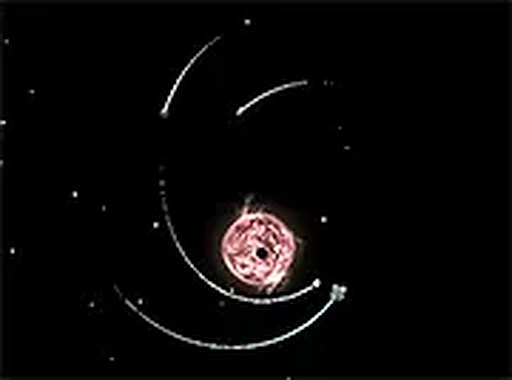
Solar System Constructor Puzzle puts you in command of a miniature star system. You start with a central sun and a field of drifting asteroids. The goal is to nudge these space rocks into paths that cause them to collide and merge. Over time, these collisions build larger bodies until they become complete planets. Each stage presents a fresh arrangement, with the sun's size changing to alter the gravitational pull. This forces you to rethink your strategy for every new setup.
Physics Engine & Realism
The game uses a detailed physics model that mimics real orbital mechanics. When you set an asteroid on a course, its path curves naturally based on the sun's gravity. This creates a satisfying sense of cause and effect. Small adjustments to speed or angle can lead to very different outcomes. The system rewards careful observation and patience rather than quick reflexes. Watching a planet form after several precise maneuvers feels genuinely rewarding.
Visual Style & Atmosphere
The presentation keeps things clean and focused. Space backgrounds are simple but appealing, with stars twinkling in the distance. The sun glows warmly at the center of each level, and asteroids have a rough, textured look. As rocks merge, they grow in size and develop smoother surfaces. The overall mood is calm and meditative. There are no flashing effects or loud sounds to distract you from the puzzle at hand.
Progression & Challenge
Levels introduce increasing complexity without becoming frustrating. Early stages let you learn the basics of gravity and orbital paths. Later ones require more careful planning, as the sun's changing mass alters how objects move. You must decide which asteroids to launch first and how to conserve materials for later use. The difficulty curve feels natural, giving you time to build skills before facing tougher tests.
Controls & Accessibility
All interactions happen through simple mouse clicks and drags. You select an asteroid, set its direction, and release to send it flying. The interface provides clear feedback on your actions. Because the game runs in a browser, there is no software to install. This makes it easy to jump in for a few minutes or settle in for a longer session. The controls are responsive enough for precise work but forgiving enough for casual play.




Reader Comments
Sign in to comment
You must be logged in before posting a review or rating.
No account? Create one
No comments yet. Be the first to comment!